Overview
SAY (세이) is a digital human companion for elderly users, developed through a 6-week industry-academic partnership between Japanese global pharmaceutical company Eisai Co., Ltd. and Chung-Ang University's College of Art & Technology.
The goal of the project was to design a digital companion that feels approachable, not alienating, for users who are inexperienced with technology. The project explored how to create an AI companion that elderly users, many unfamiliar with digital interfaces, could engage with naturally and joyfully.
The team consisted of 12 students from Chung-Ang University's School of Art & Technology, split between design and engineering disciplines. I worked on the Design Team doing UX Research, UI Design, and Visual Design.
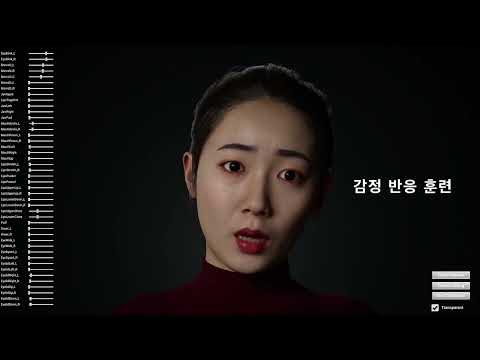
Watch on YouTube →
Research
Field Research — 5 Institutional Interviews
To understand how elderly users interact with and perceive technology, I designed interview questions and conducted in-depth interviews with social workers, dementia care therapists, and elderly care specialists across five institutions:
- Uri Mapo Welfare Center (우리마포복지관)
- Nowon Dementia Care Center (노원구 치매안심센터)
- Incheon Metropolitan Dementia Center (인천광역치매센터)
- Mindeulle Medical Welfare Social Cooperative (민들레의료복지사회적협동조합)
- Hansalim Consumer Cooperative Care Division (한살림 돌봄사업부)
Interview questions were structured across three domains: institutional role and limitations, elderly users' perception of digital devices, and daily life patterns and interests of the elderly.
Key Findings
Our analysis found four major UX issues that made it difficult for elderly users to interface with technology.
Issue 01
Unclear system feedbackMost apps and devices don't clearly confirm when an input has been received. Without a visible loading indicator or acknowledgment, elderly users can't tell whether the system registered their action, and often tap repeatedly or give up.
Issue 02
Interfaces not scaled for elderly usersFont sizes are often too small to read comfortably, and on-screen content moves or speaks faster than elderly users can follow. Accessibility options, when present, are difficult to locate in large menu trees.
Issue 03
One-sided communicationApps and devices tend to talk at users — pushing notifications, ads, and instructions — without offering meaningful ways for elderly users to respond, direct the experience, or correct mistakes, leaving them as passive recipients rather than active participants.
Issue 04
Unreliable input recognitionBiometric unlocks, voice commands, and touch gestures frequently fail on the first try for elderly users. These failures caused the users to lose confidence in the system, often to the point where they stopped trying altogether.
Persona Development
From interview data, the team developed five initial persona types:
Type 01
Health-consciousElderly users with a strong interest in managing their own health
Type 02
Information-seekingUsers with a high interest in new technology and a willingness to learn
Type 03
Isolated elderlyUsers with low social connection — living alone or detached from community, with the greatest need for emotional companionship.
Type 04
Socially activeUsers who actively participate in social programs run by welfare centers.
Type 05
Digitally marginalizedUsers with low accessibility to digital products, who are unfamiliar with digital interfaces and most at risk of being excluded by technology.
Across all five personas, one desire stayed consistent: the desire to socialize. The health-conscious user, the tech-curious user, the isolated user, the socially active user, the digitally marginalized user, each had different relationships with technology and different daily routines, but all of them wanted more connection with other people. That shared thread became the anchor for the next stage of the project.
Ideation & Decision
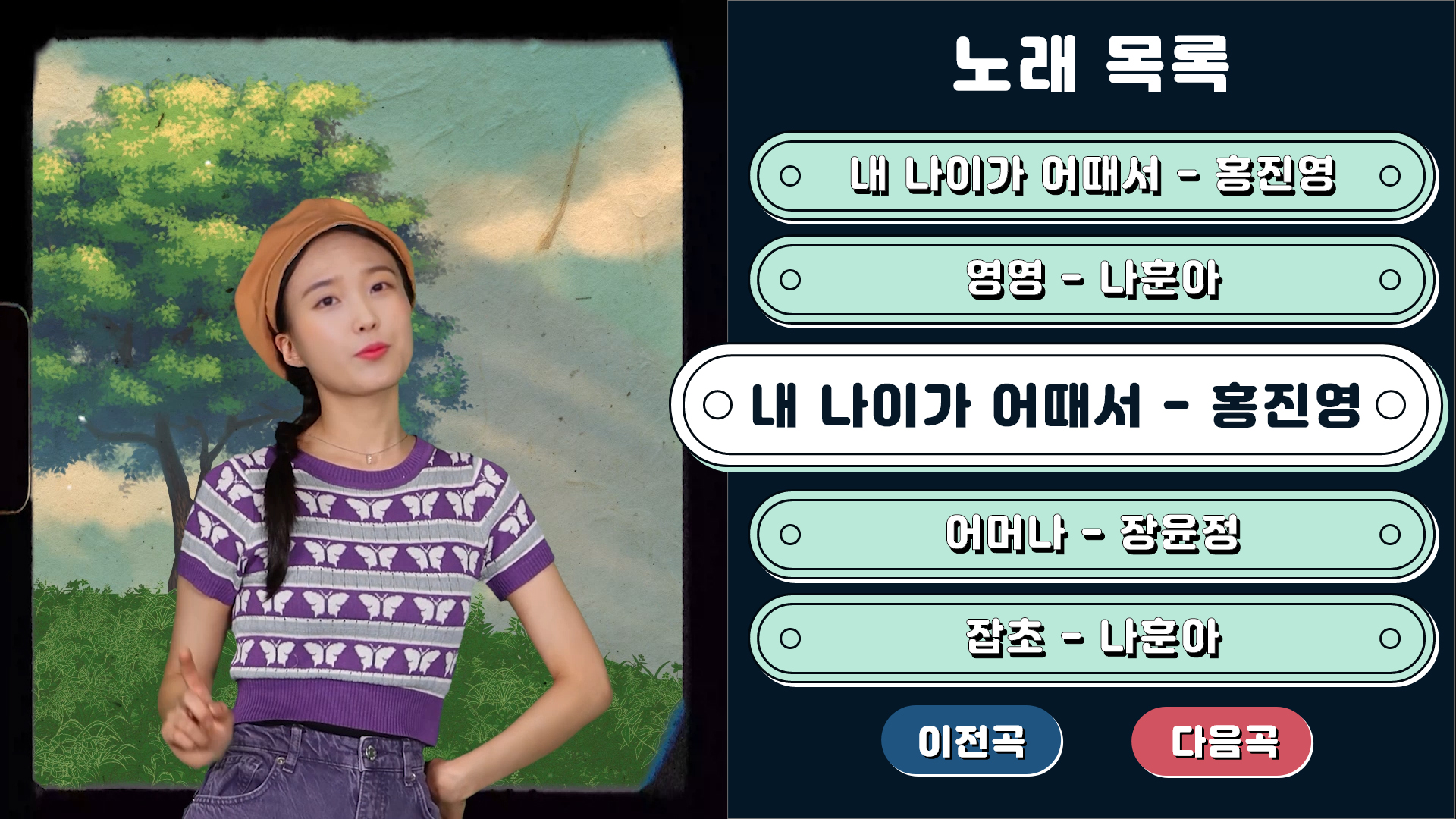
After prototyping several concepts, we decided to create a Duet Singing Program where the digital human becomes a singer and performs duets with the user. The program is built around Trot, a genre of Korean pop music that is hugely popular among the elderly.
Trot's cultural familiarity maximized engagement with our target users, and singing together created direct emotional exchange between the user and the digital assistant, the kind of connection our persona research told us elderly users were seeking.
Design Process
Mood Board & Visual Direction
I created mood boards exploring visual references including UneeQ digital human aesthetics, retro Korean typography (Tlab레트로라이프, 양진체), new-retro graphic style.
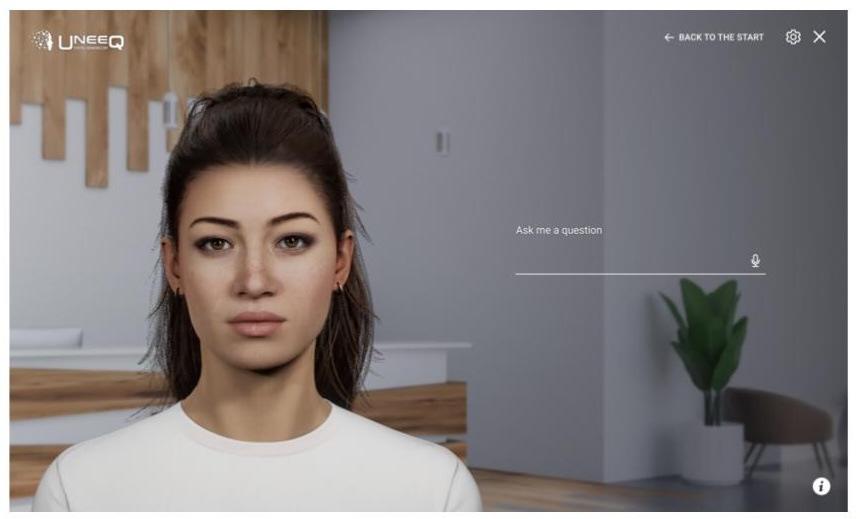
UneeQ Digital Human
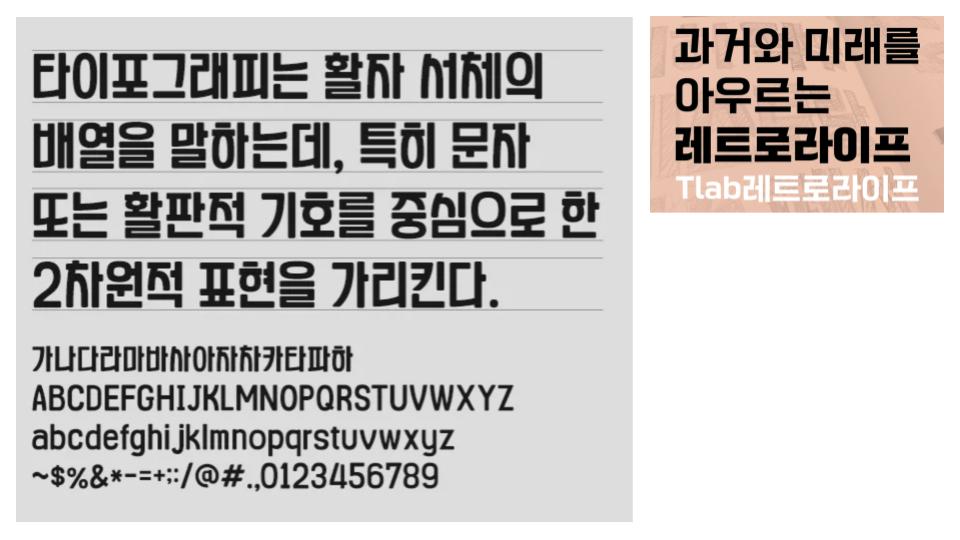
Retro Korean Typography
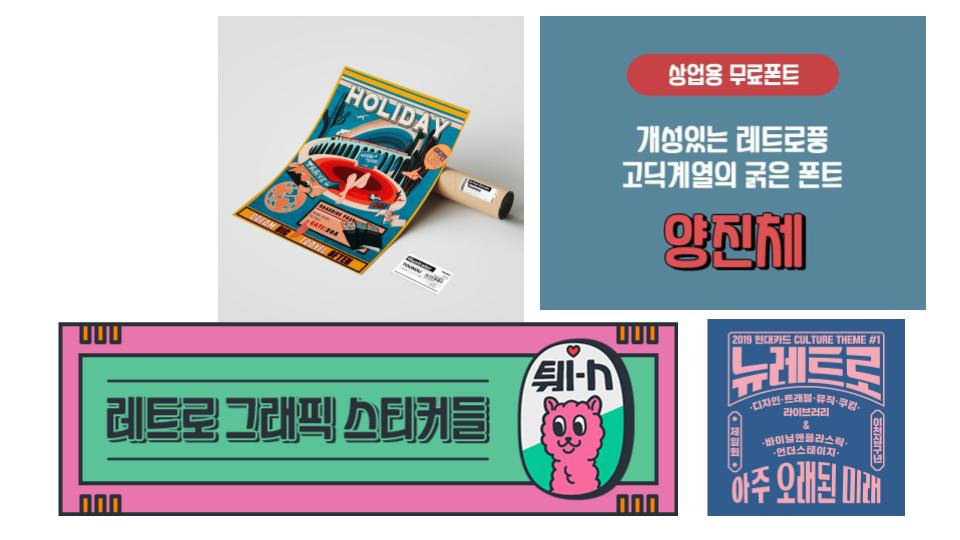
New-Retro Graphic Style
UI Design
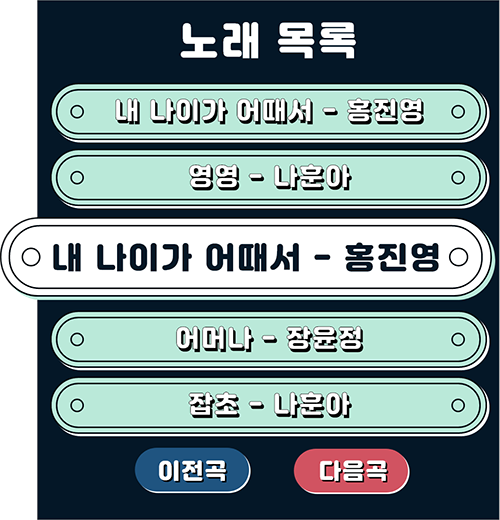
We knew that a smartphone or tablet app wouldn't create a comfortable experience for our users, so we designed our UI for a 50–60 inch digital sign. A large, stationary screen allowed users to stand at eye level and interact with natural gestures instead of having to hold or learn a personal device. Every interface decision followed from this format and the specific needs of an elderly audience.
Typography
Large, vintage-leaning, easy to readWe chose a display typeface with a friendly, retro design that echoes the lettering our users grew up with, set at an oversized scale comfortably readable from several feet back. Through testing we learned that type can be too large just as easily as it can be too small, so we calibrated a middle ground that stayed legible without overwhelming the screen.
Color
High-contrast warm palette, accessible by designThe warm, retro palette we landed on sidesteps the blue-yellow discrimination issues common with age-related lens yellowing, and the high-contrast choices keep text and buttons readable for users with reduced visual acuity. We also designed for color-blind users by giving every color a distinct tonal contrast, so no information depends on hue alone.
Touch Targets
Oversized buttons with generous spacingElderly users have reduced fine motor control, so every interactive element was scaled well beyond typical mobile minimums, large enough to tap confidently even with a shaky hand. Spacing between buttons mattered just as much. Trembling hands and reduced tactile precision often led to hitting adjacent targets by mistake, so generous gaps between buttons prevented misfires and made the interface feel more forgiving.
Simplicity
Seven buttons, zero nested menusThe entire interface is visible on the screen at all times with no submenus, settings panels, or hidden states, so our users can easily navigate and interact with the system.
Outcome
We filmed an actor at a studio on Chung-Ang University's Anseong Campus to capture performance motion for the digital human character SAY, producing five duet songs: 한잔해 (Hanjanhae), 내 나이가 어때서 (What About My Age), 어머나 (Oh My), 잡초 (Weeds), 영영 (Forever).
The final deliverable included the digital human SAY with all five duet songs, complete interaction scenario documentation, a digital signage UI design system, and a research report drawn from five institutional interviews. The prototype was delivered to Eisai as the final deliverable of the partnership.